

Introduction: The Rising Threat of VoIP Fraud
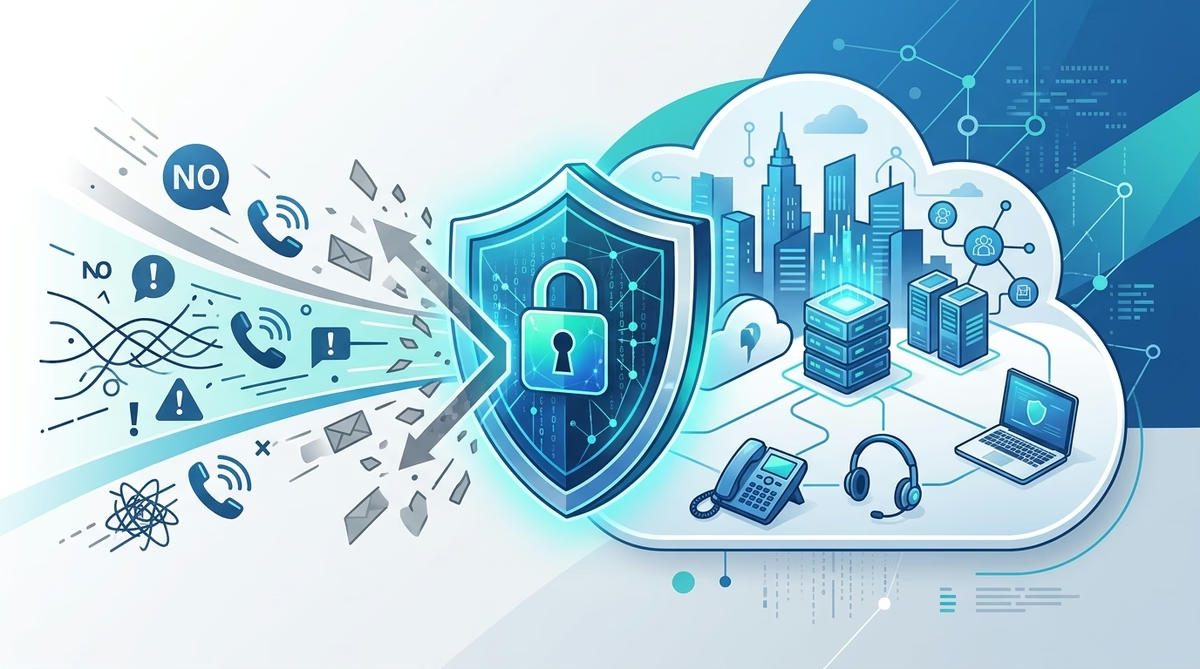
In today's interconnected digital landscape, VoIP technology has revolutionised how European businesses communicate. However, this same connectivity has opened the door to a growing menace: VoIP spam and automated robocalls. For business owners and IT managers, these interruptions are more than just a nuisance; they represent a security vulnerability and a drain on team productivity. At TheVoĉo, we prioritise secure communications, and understanding how to filter these calls is essential for maintaining a professional image.
Understanding the Mechanics of VoIP Spam
Unlike traditional legacy phone lines, VoIP systems operate over the internet. While this enables flexibility, it also allows bad actors to utilise spoofing tools to mask their identity. Often, spammers use local area codes to trick employees into answering, believing it to be a local client or partner. This is a deliberate psychological tactic designed to bypass the natural suspicion users have towards international or unknown numbers. Because these calls originate via cloud infrastructure, they can be generated in massive volumes, often referred to as 'robocalling'.
Implementing Multi-Layered Defence Strategies
Securing your phone system requires a proactive, multi-layered approach. You cannot rely on a single firewall or setting; instead, you must leverage both technical configurations and internal company policies.
1. Utilise STIR/SHAKEN Authentication
The most effective global standard for combating caller ID spoofing is the STIR/SHAKEN framework. While primarily matured in North America, European providers—including TheVoĉo—are increasingly adopting similar verification protocols to ensure that the originating caller is authorised to use the number they are presenting. By enabling these protocols on your Cloud PBX, your system can automatically verify call authenticity before the phone even rings.
2. Configure Dynamic Call Filtering
Modern Cloud PBX systems offer intelligent filtering tools. You should configure your system to:
- Block known spam databases: Integrate with third-party blacklists that update in real-time.
- Implement 'Greylisting': This temporarily rejects calls from unknown numbers, requiring the sender to re-attempt the call. Most automated bots are not programmed to retry, effectively weeding them out.
- Enable 'Whitelisting' for critical clients: Ensure that your primary business partners are never caught in spam filters by maintaining an allow-list.
3. Leverage AI-Powered Virtual Receptionists
Using an AI-driven IVR (Interactive Voice Response) system acts as a sophisticated gatekeeper. By requiring callers to press a specific digit or state their name before the call is transferred to an extension, you create a barrier that most automated spam bots cannot navigate. This simple interaction saves your staff hours of wasted time each month.
Compliance and Data Privacy Considerations
As a European organisation, you must ensure that your telecommunications setup remains compliant with the GDPR. When implementing filtering software, you are processing call metadata. Ensure that your chosen VoIP provider guarantees that all traffic data remains within the European Economic Area (EEA) to satisfy data sovereignty requirements. At TheVoĉo, we ensure that our filtering solutions do not store sensitive personal information unnecessarily, keeping your business compliant while protecting your network.
Best Practices for Employees
Technology is only one part of the equation. Human behaviour remains a critical component of security. Educate your staff on the following:
- Never reveal internal system information to unknown callers.
- Verify the identity of callers requesting account or billing changes.
- Report suspicious recurring numbers to your IT department immediately.
Conclusion: Take Control of Your Communications
VoIP spam is an evolving challenge, but it is not an insurmountable one. By combining robust AI filtering, industry-standard authentication protocols, and a culture of vigilance, you can shield your organisation from the disruption of robocalls. Your communications system should be a business asset, not a vector for unwanted interference. Are you ready to upgrade your security posture? Contact TheVoĉo today to discuss how our AI-powered Cloud PBX can help you reclaim your workday.