Embracing the Mobile-First Revolution in Europe
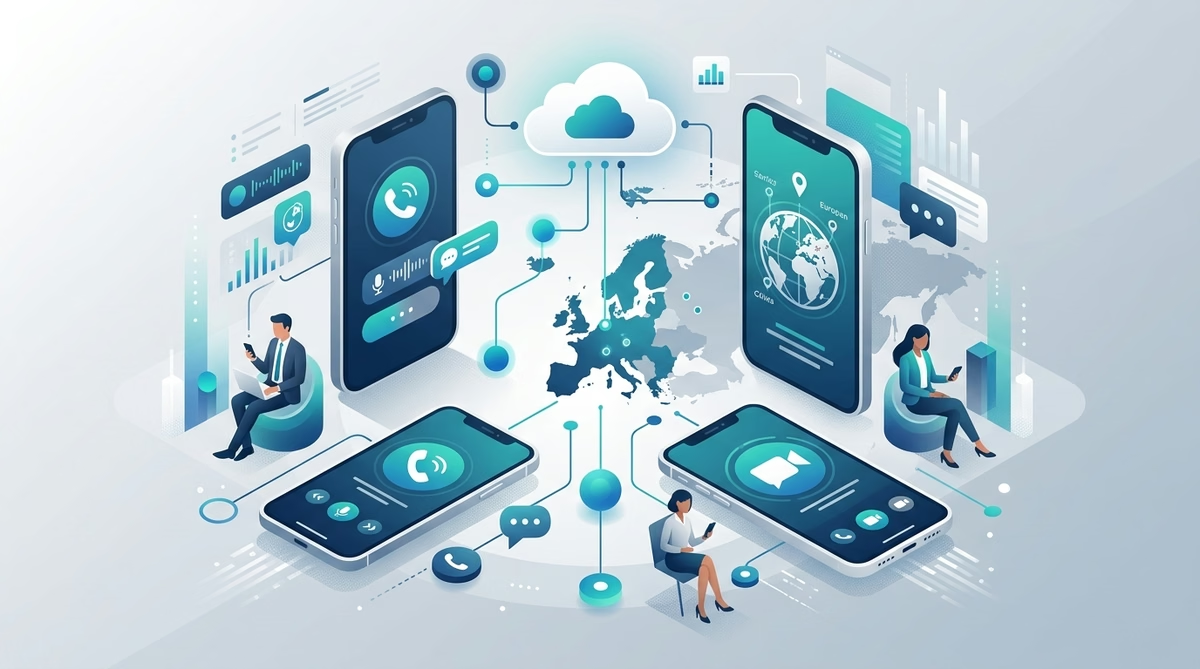
In the rapidly evolving European business landscape, the traditional office desk is no longer the anchor of productivity. With the shift toward hybrid working models, businesses across hubs like London, Berlin, and Amsterdam are re-evaluating how their teams communicate. A mobile-first communication strategy is no longer a luxury; it is a fundamental requirement for staying competitive. By leveraging Cloud PBX and VoIP solutions, modern organisations can ensure their workforce remains connected, regardless of their location.
Why Mobile-First Matters for Modern Teams
Transitioning to a mobile-first approach means prioritising the smartphone as the primary communication device for employees. This shift offers several strategic advantages:
- Seamless Flexibility: Employees can handle business calls on their personal or company-issued mobiles without exposing private numbers.
- Increased Responsiveness: Staff can stay available to clients and partners across different European time zones without being tied to a physical desk.
- Unified Experience: Features like call forwarding, presence tracking, and internal messaging function identically on mobile apps and desktop software.
Driving Operational Efficiency with VoIP
At the core of this mobile-first evolution is robust VoIP infrastructure. By moving away from legacy copper-based phone systems, European businesses can significantly reduce their overhead costs while gaining access to advanced telephony features.
- Unified Identity: A single business number rings your desk phone, mobile app, and laptop simultaneously, ensuring you never miss a client inquiry.
- AI-Enhanced Routing: Use smart routing to direct calls based on language, time zone, or department expertise, creating a more personalised client experience.
- Scalability: Whether you are a boutique agency in Paris or a growing firm in Warsaw, cloud-based systems allow you to add users instantly via a central dashboard.
Cultivating a Culture of Remote Collaboration
Communication is about more than just voice calls. A truly mobile-first strategy integrates messaging, video conferencing, and file sharing into one cohesive ecosystem. When your mobile application acts as the hub for these activities, you minimise the 'app fatigue' that often hampers productivity. By centralising these tools, team members can collaborate on a project document during a commute, jump onto a client video call from a coffee shop, and update their status in real-time. This fluidity fosters a culture of agility, allowing your business to adapt quickly to client needs.
Implementing Your Strategy: Practical Steps
Transitioning to a mobile-first infrastructure is a straightforward process when managed correctly. Here is how your organisation can begin:
- Audit Your Current Workflow: Identify which teams are most mobile and what their primary communication pain points are.
- Prioritise User Adoption: Provide training on the mobile app interface to ensure your staff understands the benefits of using their business softphone over cellular networks.
- Leverage Integration Capabilities: Ensure your phone system integrates with your existing CRM (such as Salesforce or HubSpot) so that contact data is always available on the mobile app.
Conclusion: Future-Proofing Your Organisation
The move toward a mobile-first strategy is essentially an investment in your business's future. By breaking the chains of legacy hardware, you empower your employees to work more effectively and provide your clients with a modern, responsive communication experience. At TheVoĉo, we specialise in helping organisations across Europe transition to seamless, cloud-based telecommunications. Contact our team today to explore how our Cloud PBX and VoIP solutions can transform your business communication infrastructure.