

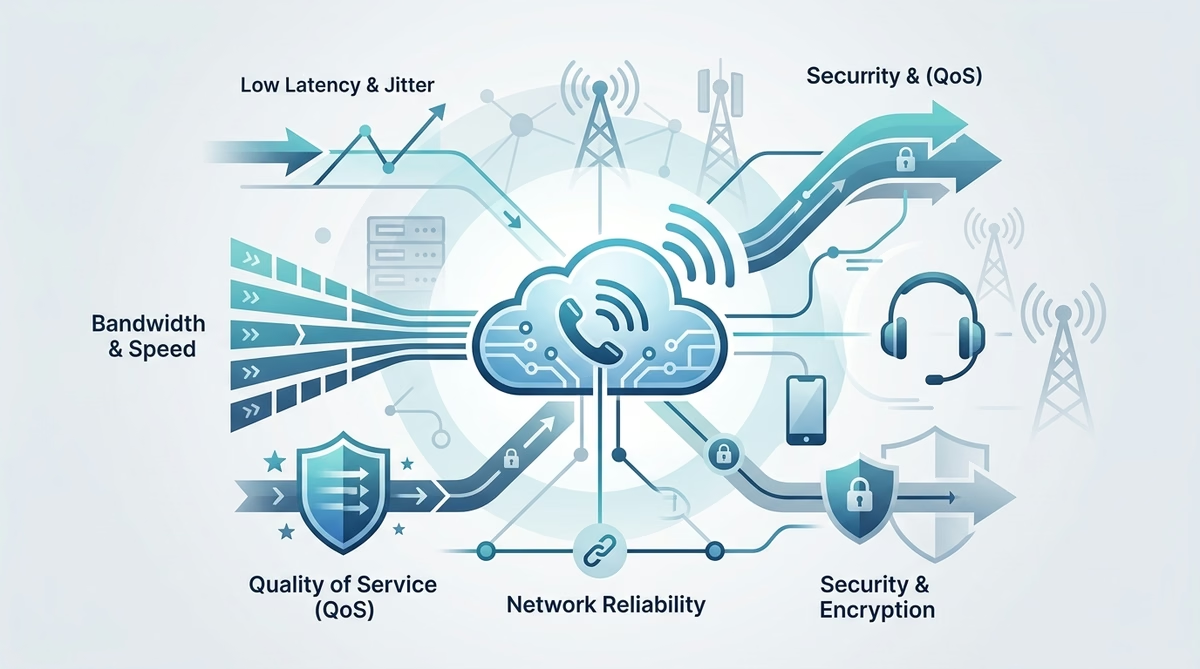
Introduction to VoIP Performance
In the modern European business landscape, clear communication is the lifeblood of every organisation. As businesses transition from legacy ISDN lines to modern cloud-based solutions, understanding the underlying network requirements is critical. A VoIP system is only as good as the network infrastructure supporting it. At TheVoĉo, we often see businesses struggle with call quality simply because their local network environment was not optimised for real-time traffic. This guide outlines the technical requirements needed to ensure your team experiences enterprise-grade reliability.
Prioritising Traffic with Quality of Service (QoS)
VoIP traffic is uniquely sensitive. Unlike downloading a large file or browsing the web, where a minor delay is negligible, VoIP relies on real-time data packets. If your network treats a VoIP packet the same as a background software update, you will encounter jitter, latency, and packet loss.
- Implement QoS: Configure your routers to prioritise voice traffic over general data. This ensures that even during peak office hours, call packets are pushed to the front of the queue.
- VLAN Segmentation: By creating a separate Virtual Local Area Network (VLAN) for voice traffic, you isolate your phones from the rest of your IT equipment, reducing broadcast storms and collisions.
- Traffic Shaping: Use traffic shaping tools to limit the bandwidth available to non-critical applications during work hours.
The Role of Bandwidth and Jitter
Many businesses mistakenly believe that 'high speed' internet is sufficient. However, for VoIP, it is not just about the download/upload speed; it is about consistency.
- Bandwidth Calculations: Each concurrent call typically requires about 100kbps of dedicated bandwidth. While this sounds small, consider your total office headcount and the number of simultaneous calls during busy periods.
- Minimising Latency: Keep your round-trip time below 150 milliseconds. Anything higher will lead to the 'walkie-talkie' effect, where callers constantly interrupt each other.
- Reducing Jitter: Jitter occurs when packets arrive out of order or at inconsistent intervals. High jitter results in robotic or garbled audio. A robust router with a buffer management system is essential here.
Securing Your Network for Compliance
When deploying VoIP in a European context, security and data sovereignty are paramount. Under GDPR, protecting the metadata of your communications is a legal requirement.
- Encryption Protocols: Ensure that all voice traffic is encrypted using SRTP (Secure Real-time Transport Protocol). This protects the content of the calls from interception.
- Firewall Configurations: Your firewall must be configured to allow traffic to and from your provider's specific IP ranges without being overly restrictive. Using a SIP-aware firewall can help manage these sessions securely.
- Data Sovereignty: Choose a provider like TheVoĉo that hosts data within EU data centres. This ensures compliance with local data protection mandates and keeps latency low by keeping traffic physically closer to your office location.
Hardware and Cable Infrastructure
Even the most advanced cloud PBX will fail if your physical infrastructure is outdated. We recommend the following best practices for your internal network:
- Cat6 Cabling: Ensure your office is wired with at least Cat6 Ethernet cabling to prevent interference and provide maximum throughput.
- Gigabit Switches: Use managed Gigabit PoE (Power over Ethernet) switches. This allows you to power your VoIP handsets directly through the network cable, eliminating the need for messy power adapters at every desk.
- Regular Firmware Updates: Network switches and routers are often the weak points in a network. Keep your firmware updated to patch security vulnerabilities and ensure compatibility with modern SIP standards.
Conclusion
A reliable VoIP system is a cornerstone of professional communication. By focusing on QoS, monitoring bandwidth, and maintaining a secure, modern network infrastructure, your business can enjoy the full benefits of cloud-based telephony. If you are ready to upgrade your business communication with a system designed for the modern European enterprise, reach out to the TheVoĉo team today for a comprehensive network audit.