
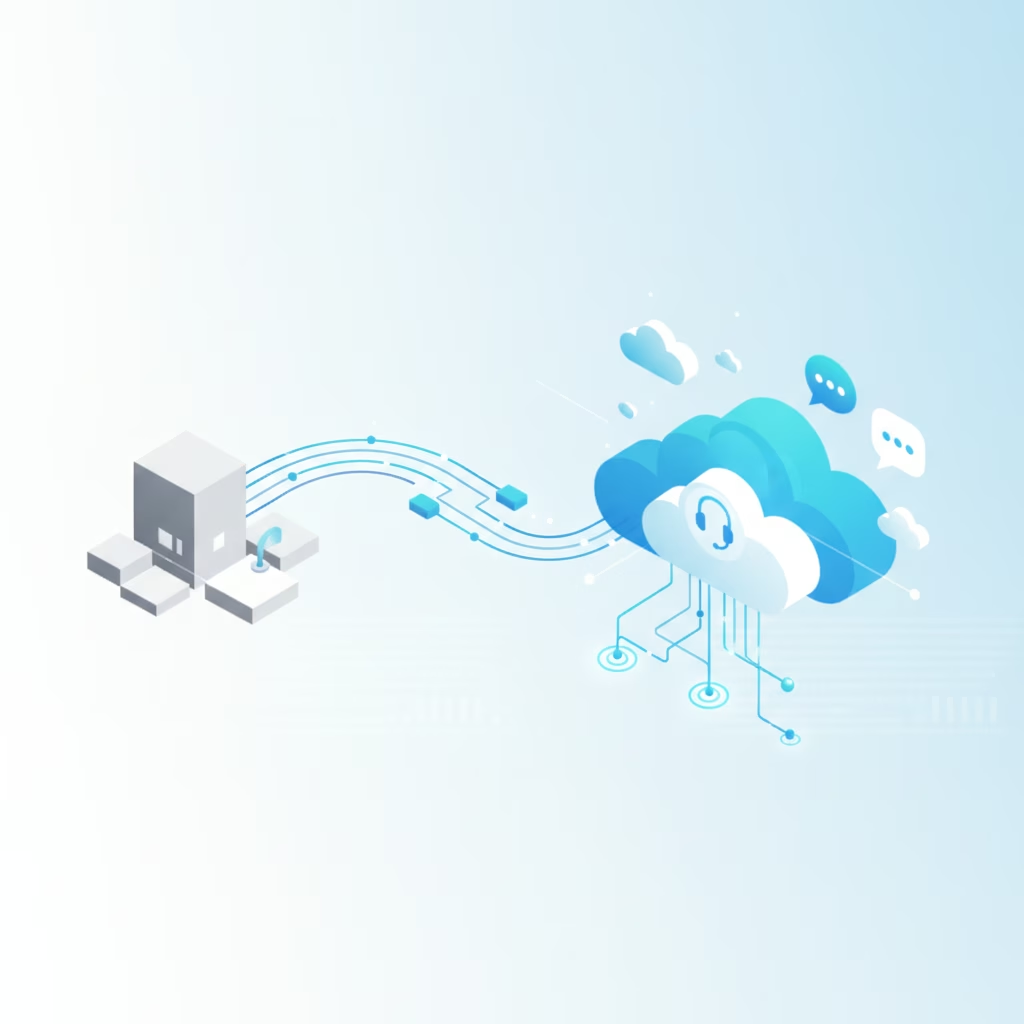
Moving from a traditional on-premise Private Branch Exchange (PBX) system to a modern cloud-based solution is a significant step for any organisation. In an era demanding greater flexibility, scalability, and enhanced security, the limitations of physical hardware are becoming increasingly apparent. For European businesses, this transition isn't just about technological upgrade; it's about future-proofing operations, improving collaboration, and ensuring compliance in a dynamic market. This comprehensive guide will walk you through the essential steps and considerations for a successful migration, helping you unlock the full potential of cloud communications with TheVoĉo.
Why Migrate to Cloud PBX? The Business Imperative
The decision to migrate isn't merely about adopting new technology; it's a strategic move to address evolving business needs. On-premise systems, while familiar, often come with considerable drawbacks, including high upfront costs, ongoing maintenance expenses, and limited scalability. Cloud PBX, in contrast, offers a compelling alternative:
- Cost Efficiency: Eliminate capital expenditure on hardware and reduce operational costs associated with maintenance, repairs, and energy consumption. With a cloud model, you pay for what you use, turning a variable cost into a predictable operational expense.
- Unrivalled Flexibility and Scalability: Cloud systems effortlessly adapt to your business growth. Whether you're adding new employees, opening a new office in another European country, or scaling down during off-peak seasons, your communication infrastructure can adjust instantly without physical upgrades. This is crucial for businesses with dynamic workforces, including remote and hybrid models prevalent across Europe.
- Advanced Features & Unified Communications: Gain access to a rich suite of features far beyond basic calling. TheVoĉo offers AI-powered analytics, CRM integration, video conferencing, instant messaging, and mobile apps, all unified under a single platform. This fosters seamless collaboration, irrespective of geographical location or time zone differences.
- Enhanced Reliability and Business Continuity: Cloud PBX solutions typically offer superior uptime and built-in disaster recovery mechanisms. In the event of local power outages or network issues, your communication remains operational, ensuring business continuity – a vital consideration for businesses operating across multiple European regions.
- Improved Security Posture: Modern cloud providers invest heavily in security infrastructure, often exceeding what individual businesses can manage on-premise. Encryption, robust data centres, and continuous monitoring are standard, providing a secure environment for your voice data.
Preparing for Your Cloud Migration: The Planning Phase
Successful migration begins with meticulous planning. This phase is critical to avoid disruptions and ensure a smooth transition.
- Assess Your Current Infrastructure: Conduct a thorough audit of your existing PBX hardware, network capabilities, and internet bandwidth. Evaluate your current call volumes and identify peak usage times. Ensure your network infrastructure can support VoIP traffic, potentially requiring Quality of Service (QoS) configurations.
- Define Your Requirements: What features are essential? How many users do you have? Do you need integrations with specific CRM systems or business applications? Consider future growth and anticipate potential needs. For European organisations, think about multi-language support, international dialling plans, and potential cross-border collaboration requirements.
- Budgeting and ROI: Clearly define your budget for the migration and ongoing services. Calculate the potential Return on Investment (ROI) by factoring in reduced maintenance, hardware depreciation, and productivity gains.
- Vendor Selection: Choose a reputable cloud provider like TheVoĉo that understands your business needs and the European regulatory landscape. Look for a partner with proven migration expertise and robust customer support.
- Data Mapping and Number Portability: Plan how you will port your existing business phone numbers to the new cloud system. Number portability is a well-established process within the EU, but it requires careful coordination with your new provider and existing carrier. Document all current call routing, extensions, and user permissions to replicate them in the cloud environment.
The Migration Process: Step-by-Step Implementation
Once planning is complete, the migration can begin. A phased approach is generally recommended to minimise disruption.
- Network Readiness & Configuration: Work with your IT team or TheVoĉo's experts to ensure your internal network is optimised for VoIP. This includes configuring firewalls, routers, and ensuring sufficient bandwidth. QoS settings should be applied to prioritise voice traffic.
- Account Setup & User Provisioning: Your cloud provider will set up your main account. You will then provision user accounts, assign extensions, and configure individual settings. This is also the time to set up department groups and administrative permissions.
- System Configuration: Replicate your existing call flows, IVR menus, voicemail settings, and auto-attendants in the cloud system. Configure any specific rules for call forwarding, ring groups, and hunt groups. This can be complex, so leverage your provider's support team.
- Testing Phase: Before a full rollout, conduct thorough internal testing with a pilot group of users. Test all critical functionalities: making and receiving calls, voicemail, call forwarding, conferencing, and any integrated applications. Gather feedback and make necessary adjustments.
- Staff Training: Proper training is paramount for user adoption. Provide clear instructions, tutorials, and support resources to your employees. Highlight the new features and benefits, and address any concerns they may have. This reduces resistance and maximises the value of the new system.
- Phased Rollout: Rather than a